
- Home/
- Buy Cialis Online in the United States – Fast Delivery and Secure Ordering
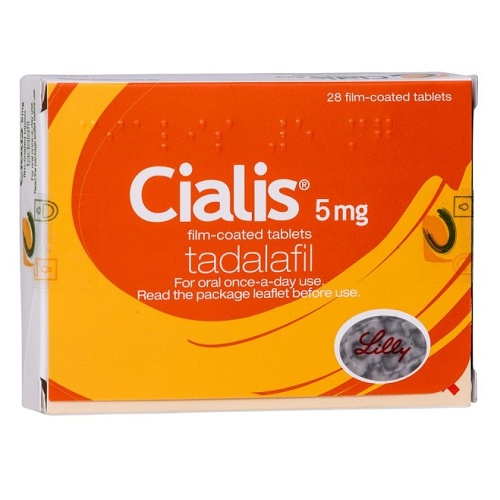
Cialis (tadalafil) is a prescription medication used to treat erectile dysfunction (ED) in adult men in the United States. It stands out for its long duration—up to 36 hours—giving patients more flexibility than any other oral ED treatment. Before starting Cialis, know that its benefits, risks, and practical use are different from other ED medications, and a thorough conversation with your doctor is key to safe and effective treatment.
The Cialis Moment: Why Flexibility Matters More Than You Think
Picture this: it’s Friday evening, and you’re not sure whether tonight will be the night or if you’ll wait for the weekend. With most erectile dysfunction (ED) medications, you face a hard deadline—take it, and you have a few hours. Miss the window, and you start over. Cialis changed that calculation for men in the United States. Its long-acting formula—up to 36 hours—means sex doesn’t have to be scheduled or rehearsed. This isn’t just a pharmacological detail; it’s a shift in how intimacy fits into real life.
What patients consistently say: flexibility is more than convenience. It’s about reducing performance anxiety, the pressure to plan, the awkwardness of checking a clock. For many, that flexibility is the reason they ask about Cialis first, even before knowing if it’s clinically “better.”
But flexibility isn’t the only factor. Some men find that the longer duration means they can respond to intimacy naturally, even the next day, without the pressure to time everything perfectly. Others find the idea of having a medication in their system for that long less appealing, especially if they’re worried about side effects lingering. This is where a doctor’s guidance becomes crucial: understanding your life, your relationship, and your health profile changes what “best” really means.
How Tadalafil Really Works—And Why Timing Is Different Here
Tadalafil, the active ingredient in Cialis, is a phosphodiesterase type 5 (PDE5) inhibitor. Like its cousins sildenafil (Viagra) and vardenafil (Levitra), it helps blood vessels in the penis relax, making it easier to get and keep an erection when you’re sexually stimulated. But here’s where the science shapes everyday life: tadalafil stays in your system much longer.
After you swallow a tablet, tadalafil reaches peak levels within 2 hours for most men—but the window of effectiveness doesn’t slam shut after a few hours. Instead, it lingers, with meaningful activity for up to a day and a half. That’s why a single dose of Cialis can support multiple attempts at intercourse, or simply allow you to relax and let intimacy happen when the moment feels right.
- PDE5 Inhibitor
- A type of medication that blocks the PDE5 enzyme, allowing blood vessels to widen and increase blood flow to the penis during sexual stimulation.
This pharmacology changes the rules. For patients who find the “take it, use it now” pressure of other ED medications stressful, Cialis can feel like a relief. But it also means that if you have side effects, they can last longer. And for those with kidney or liver issues, or on certain other medications, the longer activity may require extra caution or a different dosing approach.
(Source: FDA Prescribing Information)
So, while the mechanism is similar across ED drugs, the patient experience—when, how often, and how naturally sex can happen—depends on these pharmacological details. Your doctor’s job is to match mechanism to your needs, not just to the diagnosis.
Cialis in the Real World: How It Compares to Viagra and Levitra
Choosing an ED medication isn’t just about what works—it’s about what works for your lifestyle, your health, and your expectations. Here’s how Cialis stacks up against its main competitors, not in theory, but in the realities of use in the United States.
| Feature | Cialis (Tadalafil) | Viagra (Sildenafil) | Levitra (Vardenafil) |
|---|---|---|---|
| FDA Approval for ED | Yes | Yes | Yes |
| Onset of Action | 30-60 minutes | 30-60 minutes | 30-60 minutes |
| Duration of Effect | Up to 36 hours | 4-6 hours | 4-6 hours |
| Food Interactions | Minimal | High-fat meals delay effect | High-fat meals delay effect |
| Daily Dosing Option | Yes (2.5 mg or 5 mg daily) | No | No |
| Common Side Effects | Headache, back pain, indigestion, nasal congestion | Headache, flushing, nasal congestion, vision changes | Headache, flushing, nasal congestion, upset stomach |
| Contraindications | Nitrates, severe cardiac disease, severe renal/hepatic impairment | Nitrates, severe cardiac disease, severe renal/hepatic impairment | Nitrates, severe cardiac disease, severe renal/hepatic impairment |
| Generic Available in US? | Yes | Yes | Yes |
| Insurance Coverage | Variable, rarely full | Variable, rarely full | Variable, rarely full |
| Typical Cash Price (30 tablets) | $300-$500 (brand); generics $10-$50 | $80-$300 (brand); generics $10-$40 | $150-$400 (brand); generics $10-$40 |
In practice, Cialis’s long duration and minimal food interactions are its major advantages. Viagra and Levitra require more precise timing and can be thrown off by what you eat. The daily dosing option with Cialis is unique—offering a lower daily dose that keeps you always “ready” to respond to intimacy naturally, but requiring daily commitment and sometimes a different side effect profile. Price varies widely, especially with generics now available for all three drugs; insurance rarely covers the full cost, but pharmacy discount programs and telehealth services have made access more predictable.
Using Cialis Right: Dosing, Food, and What to Expect the First Time
The first dose of Cialis is often an experiment—not just in chemistry, but in psychology. Most men want to know: will it work, will it feel normal, and what if nothing happens? Here’s what to expect in the United States, where most prescriptions are written by primary care physicians or urologists, and where patients have easy access to both brand and generic tadalafil.
Dosing is where Cialis breaks from the pack. There are two main strategies: “on demand” (10 mg or 20 mg taken before anticipated sexual activity) and “daily use” (2.5 mg or 5 mg taken at the same time every day). Your doctor will recommend a starting dose based on your health, age, and how often you expect to have sex. Unlike sildenafil or vardenafil, you don’t have to fast or avoid heavy meals—food has little impact. Many men appreciate being able to take their dose discreetly, without needing to plan around dinner.
| Indication | Recommended Dose | Maximum Frequency | Renal or Hepatic Impairment |
|---|---|---|---|
| ED, On Demand | 10 mg (may adjust to 20 mg or 5 mg) | Once daily, as needed | Lower starting dose or avoid if severe impairment |
| ED, Daily Use | 2.5 mg or 5 mg, same time each day | Once daily | Use with caution; 2.5 mg max in mild-moderate impairment |
Most men notice effects within 30 to 60 minutes, but sexual stimulation is still required for Cialis to work—arousal isn’t automatic. The first experience may bring mild side effects: headache, backache, or stuffy nose. For some, the effect is subtle, more about confidence than dramatic physical change. If you don’t see results after several tries, speak with your doctor before adjusting the dose or giving up. Sometimes the issue is timing, anxiety, or an underlying health condition—not the medication itself.
- Cialis offers both “on demand” and daily dosing—unique among ED medications.
- Food doesn’t affect absorption significantly.
- Don’t double up doses; more isn’t better.
Which Side Effects Matter Most with Cialis—and When to Act
Every medication has side effects, but not all require the same response. With Cialis, most men experience mild, short-lived effects—if any. But because tadalafil lingers, some side effects last longer than with other ED drugs, and a few rare effects need urgent attention. Here’s what matters in practice.
The most common side effects include headache, back pain, indigestion, muscle aches, flushing, and nasal congestion. Most are mild, often fading with repeated use or after a few hours. Back pain and muscle aches, in particular, seem more common with Cialis than its competitors. These effects are rarely dangerous but can be uncomfortable, especially if you’re not expecting them.
| Side Effect | How Common? | When to Contact Doctor |
|---|---|---|
| Headache | Very common (10-15%) | If severe, persistent, or associated with vision changes |
| Back pain | Common (2-6%) | If intense or limiting movement |
| Indigestion | Common (up to 8%) | If severe or persistent |
| Flushing | Common (up to 5%) | If accompanied by chest pain or shortness of breath |
| Nasal congestion | Common (up to 4%) | If severe or with breathing difficulty |
| Priapism (prolonged erection >4h) | Rare (<0.1%) | Seek immediate medical care |
| Vision change or loss | Very rare | Stop drug, seek urgent care |
| Hearing loss | Very rare | Stop drug, seek urgent care |
| Chest pain | Rare | Stop drug, seek emergency care |
What sets Cialis apart is not just what side effects occur, but how long they can last. If you’re sensitive to back pain or muscle aches, they may persist for 24 hours or more—especially at higher or repeated doses. Visual changes, such as a blue-tinged vision that sometimes occurs with sildenafil, are less common with Cialis but still possible. Priapism—a painful, prolonged erection—is extremely rare but always an emergency.
“In my experience, most men tolerate Cialis well, but a small group develop muscle aches or back pain that don’t occur with other ED drugs. For these patients, switching to a different PDE5 inhibitor often solves the problem. The risk of serious side effects is low, but it’s crucial to take persistent pain or vision changes seriously—don’t wait for them to go away on their own.”
If you ever experience chest pain, sudden loss of vision, hearing changes, or an erection lasting more than four hours, stop taking Cialis and seek emergency care. These events are rare, but they require immediate attention to prevent permanent harm. For most other side effects, a call to your doctor leads to reassurance or a simple adjustment in dose or medication.
When Not to Take Cialis: Absolute and Real-World Contraindications
- You use any nitrate medication (for chest pain or heart disease)—the combination can cause dangerous, life-threatening drops in blood pressure.
- You’ve had a recent heart attack or stroke (within the past 6 months).
- You have severe liver or kidney disease that is not managed.
- You’re allergic to tadalafil or any component of Cialis.
- Unstable angina or severe heart failure. Even without nitrates, ED medications put extra stress on the heart during sex.
- Low blood pressure (hypotension) or uncontrolled high blood pressure.
- Retinitis pigmentosa or a history of vision loss related to PDE5 inhibitors.
- Concurrent use of certain HIV medications, antifungal drugs, or alpha-blockers for prostate symptoms—these can interact with tadalafil and require dose adjustment or avoidance.
In the real world, the decision isn’t always black and white. For example, some men with well-controlled heart disease can safely use Cialis with careful doctor supervision, but no one using nitrates should ever try. If you have multiple chronic conditions, a thorough medication review is essential. ED itself can be a sign of underlying vascular disease—sometimes, starting with a cardiac checkup is more important than the prescription.
Getting Cialis in the United States: Prescription, Access, Price, and Generics
In the United States, Cialis is a prescription-only medication. That means you need a valid prescription from a licensed healthcare provider—usually a family doctor, internist, or urologist. Telemedicine platforms now offer legally compliant online consultations for ED, followed by electronic prescribing to your local or mail-order pharmacy. Buying Cialis—or its generic, tadalafil—without a prescription is illegal and potentially dangerous, given the risks of counterfeit drugs.
Pharmacy access is straightforward: nearly every community and chain pharmacy can fill Cialis prescriptions, often stocking both the original brand and multiple generic options. The FDA regulates all generic tadalafil—so quality and effectiveness must match the brand by law. Most insurance plans in the U.S. do not cover ED medications, or cover only a limited number of tablets per month. This makes cost a top concern for many patients.
- Brand-name Cialis: Often $300-$500 for 30 tablets, but prices vary by pharmacy and region.
- Generic tadalafil: $10-$50 for 30 tablets, with wide variation. Discount pharmacy programs often bring costs even lower.
- Online pharmacies: Only use legitimate, U.S.-licensed services. The FDA’s BeSafeRx program helps identify safe sources.
Generic tadalafil offers the same clinical effect as brand-name Cialis—the main difference is cost and, occasionally, pill shape or color. Some patients prefer the familiarity of the original; most choose the value of generics. Don’t be shy to discuss price and access with your doctor—they want you to have an effective, affordable option.
FAQ: What Patients Really Ask About Cialis and Erectile Dysfunction
- 1. How long before sex should I take Cialis?
- For “on demand” dosing, take Cialis 30 to 60 minutes before sexual activity. While peak effect is usually at 2 hours, most men find it effective within one hour. Daily dosing does not require timing with sexual activity—just take at the same time each day.
- 2. Can I drink alcohol while taking Cialis?
- Moderate alcohol use (up to 2 drinks) is usually safe, but large amounts can lower blood pressure and increase side effects like dizziness or headache. Avoid heavy drinking, as it raises risk for both side effects and difficulty achieving an erection even with medication.
- 3. Will Cialis work every time I want it to?
- For many men, Cialis provides reliable results for up to 36 hours after a dose, but effectiveness can vary based on arousal, anxiety, and timing. If Cialis does not work on several occasions, talk to your doctor—adjusting the dose or addressing underlying issues may help.
- 4. What if I miss a dose of daily Cialis?
- If you take Cialis daily and miss a dose, take it as soon as you remember if it’s the same day. If it’s nearly time for your next dose, skip the missed one—never double up. Missing a single dose rarely causes problems, but missing several may reduce effectiveness.
- 5. Is it safe to use Cialis with other medications?
- Cialis interacts with several drugs, including nitrates, some blood pressure and prostate medications, and certain antibiotics or antifungals. Always give your healthcare provider a full list of all medicines and supplements before starting Cialis.
- 6. Is Cialis different from generic tadalafil?
- No, generic tadalafil contains the same active ingredient and works the same way as brand-name Cialis. The main differences are cost and sometimes the appearance of the tablet. The FDA requires generics to meet the same safety and effectiveness standards.
- 7. What should I do if I have side effects that don’t go away?
- If you experience mild side effects like headache or muscle pain that persist or worsen, contact your doctor. For severe reactions—such as chest pain, sudden vision or hearing changes, or a prolonged erection—stop the medication and seek immediate medical care.
Sources & References
- FDA: Cialis (tadalafil) Information
- American Urological Association Guideline: Management of Erectile Dysfunction, 2021
- Mayo Clinic: Tadalafil (Oral Route)
- FDA: Safe Online Pharmacies (BeSafeRx)
- PubMed – National Library of Medicine
- Prescribing Information: Cialis (tadalafil), Eli Lilly and Company
- American Urological Association
- ClinicalTrials.gov