
- Home/
- Buy Neurontin at Low Price in the United States Online
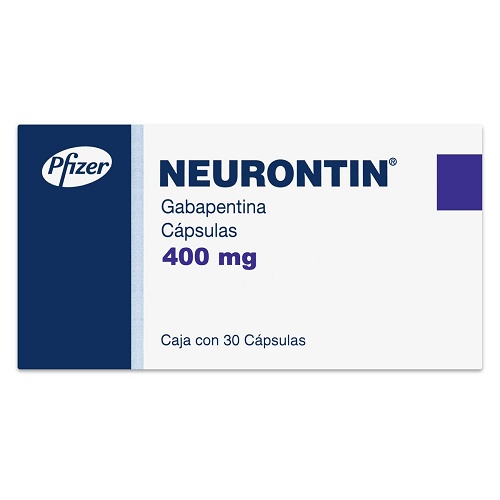
Life with Nerve Pain—and Why Neurontin Comes Up
It’s 2:17 a.m. and the burning, electric jolt in your foot is back—again. Painkillers from the medicine cabinet don’t touch it. You’re not alone. Millions in the United States wake up to a stabbing, tingling, or searing pain that doctors call “neuropathic.” If you’ve landed here, maybe you’ve tried creams, ice, or even narcotics and found them lacking. Perhaps your doctor mentioned Neurontin in your last appointment, or you saw it on a support group thread as “the nerve pain med.”
Neuropathic pain isn’t like a sprained ankle or a pulled muscle. It comes from signals misfiring in the nerves themselves. The result? Pain that can linger for months or years, often resisting ordinary remedies. That’s where Neurontin—known generically as gabapentin—enters the conversation. It’s been in use for decades, and its role in treating these stubborn pain signals has grown—and grown controversial—over time.
Did you know? Up to 10% of Americans will experience neuropathic pain at some point, and most standard pain medications don’t work well for it.
But if you’re considering Neurontin, you deserve more than a sales pitch or a warning label. What really matters: Will it ease your pain? How likely are you to feel side effects? How hard is it to get, and what does it cost? Most of all, will it fit your life—or just add another pill and another layer of worry?
Definition: Neuropathic Pain
- Neuropathic pain
- Pain caused by injury or dysfunction in the nerves themselves, often described as burning, tingling, shooting, or electric sensations. Common causes include diabetes, shingles (postherpetic neuralgia), nerve injuries, and certain spine disorders.
Does Neurontin Really Work for Neuropathic Pain?
Let’s start with the question on every patient’s mind: will Neurontin actually help your pain? The answer is—sometimes. In clinical studies, Neurontin reduces nerve pain for many people, but not for everyone, and often not completely. For some, the difference is life-changing; for others, it’s underwhelming. The odds depend on the cause of your pain, your overall health, and—this is crucial—how you and your doctor titrate (adjust) your dose.
- For postherpetic neuralgia (the long-term pain after shingles), Neurontin is FDA-approved and backed by solid evidence. About 1 in 3 patients see meaningful relief.
- For diabetic nerve pain, the data is mixed. Some guidelines recommend it; others see only modest benefit compared to placebo.
- For nerve pain from injury, surgery, or spine problems, Neurontin is used “off-label” in the U.S.—meaning, prescribed for a use not listed on its FDA label. This is common and legal, but the strength of the evidence varies.
Clinical Tip: Neurontin usually needs several weeks at the right dose before you’ll notice an effect. Don’t judge too soon—rapid improvement is the exception, not the rule.
In the real world, doctors often try Neurontin for several weeks. If there’s no improvement, they may switch to a different medication or add a second one. The goal is not 100% pain erasure, but a cut in pain that makes life more manageable—walking farther, sleeping better, or using fewer painkillers. If you expect a cure, you’ll likely be disappointed; if you want better days, Neurontin might deliver.
Definition: Gabapentin
- Gabapentin
- The active ingredient in Neurontin. Originally developed to treat epilepsy, now mostly used for nerve pain. It works by calming overactive nerve signals, though the exact mechanism for pain relief remains partly mysterious.
How Neurontin Feels—and What to Expect Day to Day
Some medications hit you fast. Not Neurontin. Its real effect builds over days or weeks, and the early days often feel underwhelming—or a little strange. Most people start on a low dose, usually at night, and ramp up slowly. The first things you might notice? Drowsiness, a lightheaded feeling, or a sense of being “off.” For many, these fade after the first week. For some, they linger or worsen as the dose increases.
Everyday Experience
- Sleepiness or fatigue is the most common side effect—often pronounced in the first week.
- Some people describe a “foggy” feeling or trouble concentrating. This can affect work or driving.
- When Neurontin works, pain typically softens gradually—not a sudden “switch off.” Many patients describe noticing the pain less, rather than feeling no pain at all.
- Rarely, mood changes or swelling in the legs may emerge. These are reasons to check in with your doctor, especially if they worsen.
Warning: Never stop Neurontin suddenly without your doctor’s guidance. Withdrawal symptoms—including anxiety, sweating, insomnia, and in rare cases, seizures—are possible, even if you’ve only been on the medication for a few weeks.
Everyone’s experience is different. For most, the adjustment period is the hardest. If side effects are mild and improving, many doctors recommend pressing on for 2-4 weeks before deciding if Neurontin is helping. But if you’re having trouble with daily tasks or feel unsafe, call your provider for advice—don’t wait for your next scheduled visit.
Section Summary
- Benefits: Gradual pain relief, not a “magic bullet.”
- Drawbacks: Tiredness, fogginess, possible swelling, especially early on.
- What to do: Stick with the ramp-up unless side effects are severe. Report anything that feels “off” or dangerous.
Neurontin or Something Else? Where It Fits Against the Competition
Take a look at any online forum for neuropathic pain, and you’ll see this question a hundred ways: “Should I try Neurontin or ask for something else?” In the U.S., the main competitors are pregabalin (Lyrica), duloxetine (Cymbalta), and sometimes tricyclic antidepressants like amitriptyline. So, how does Neurontin stack up?
| Attribute | Neurontin (Gabapentin) | Lyrica (Pregabalin) | Cymbalta (Duloxetine) |
|---|---|---|---|
| FDA Approval (U.S.) | Postherpetic neuralgia, partial seizures; used off-label for other neuropathic pain | Fibromyalgia, diabetic nerve pain, postherpetic neuralgia, spinal cord injury | Diabetic nerve pain, fibromyalgia, depression, anxiety |
| Mechanism | Modulates calcium channels in nerves (reduces abnormal firing) | Similar to gabapentin but higher binding affinity | Serotonin/norepinephrine reuptake inhibition |
| Onset of Relief | 1-4 weeks (dose-dependent) | 1-2 weeks (may be faster for some) | 1-2 weeks (can take longer for pain) |
| Common Side Effects | Sleepiness, dizziness, swelling, fogginess | Sleepiness, dizziness, weight gain, blurred vision | Nausea, dry mouth, sweating, sexual dysfunction |
| Serious Risks | Withdrawal symptoms, rare mood changes, possible misuse | Similar risks, higher potential for misuse/abuse | Liver injury (rare), blood pressure changes, serotonin syndrome (rare) |
| Insurance Coverage | Almost always covered as a generic; low copay or cash price | Brand often expensive; generic (pregabalin) available but higher cost than gabapentin | Covered, but cost varies by plan |
| Prescription Needed? | Yes. Gabapentin is a prescription drug. Some states (e.g., Kentucky, Tennessee) classify it as a controlled substance due to misuse concerns. | Yes. Lyrica is a federal Schedule V controlled substance. | Yes. Standard prescription. |
What do these differences mean? For cost-conscious patients, Neurontin is usually the most affordable option, especially as a generic. Lyrica may work faster for some and is more tightly controlled, with a higher risk of misuse. Cymbalta may suit those with depression or anxiety alongside nerve pain. Insurance coverage in the U.S. often dictates which medication comes first, but clinical response is just as important. Expect your doctor to suggest a stepwise approach, starting with Neurontin or its alternatives depending on your pain, other conditions, and insurance rules.
Patient Experience: Many patients try several medications before finding the right match. Side effects—not just pain relief—often drive the final choice.
The Neurontin Dosing Journey: How Your Prescription Really Works
Most patients expect a single dose and a quick fix. Neurontin works differently. The initial prescription is just the beginning. Titration—gradually increasing the dose—is standard practice, aiming for the lowest amount that gives real relief with tolerable side effects. There’s no one-size-fits-all: the best dose depends on your pain, other medications, kidney function, and how you feel at each step.
| Indication | Starting Dose | Target Dose | Maximum Dose | Adjustment Needed? |
|---|---|---|---|---|
| Postherpetic Neuralgia | 300 mg once at bedtime | 300 mg three times daily | 1800-3600 mg/day (divided) | Yes, increase gradually over 3-7 days |
| Diabetic Neuropathy (off-label) | 100-300 mg at bedtime | 900-1800 mg/day (divided doses) | 3600 mg/day | Yes, titrate by 100-300 mg every 3-7 days |
| Renal Impairment | Lower starting dose (100 mg) | Individualized (doctor decides) | Varies—must be adjusted according to kidney function | Always—doctor will monitor |
What does this mean for your daily routine? The dose usually starts low, often at night to minimize daytime drowsiness. Over a week or two, your doctor will increase the number of doses per day and the amount taken at each dose, checking in about side effects and any benefit. For elderly patients or those with kidney issues, doses are further reduced and increased more slowly.
- If you miss a dose, take it as soon as you remember—unless it’s almost time for the next one. Never “double up.”
- Neurontin can be taken with or without food, but consistency helps avoid stomach upset.
- Do not drive or operate heavy machinery until you know how Neurontin affects you—especially in the first few weeks.
Clinical Tip: Gabapentin is not metabolized by the liver, but cleared by the kidneys. If you have kidney disease, your doctor will adjust your dose to prevent buildup and toxicity.
Which Side Effects Matter Most with Neurontin—and When to Act
Neurontin is generally well tolerated, but side effects are common—some are simply inconvenient, while others are serious enough to require medical attention. The most frequent issues are sleepiness, dizziness, and peripheral edema (swelling in the legs). Some people also report “mental fog,” coordination problems, or mood changes. Most side effects appear early and subside with time or dose adjustment.
What’s Normal, What’s Not?
-
Expected and usually mild:
- Drowsiness and dizziness—these tend to fade after the first week or two.
- Swelling in the legs—common, especially in older adults. Alert your doctor if it worsens or is accompanied by shortness of breath.
- “Brain fog” or trouble with focus—often dose-related, sometimes limiting use in students or those with demanding jobs.
-
Unusual and requires doctor contact:
- Severe mood changes, new depression, or thoughts of self-harm.
- Rash, hives, or swelling of the face—possible allergy.
- Unexplained muscle pain, fever, or dark urine—rare, but signals possible muscle breakdown.
| Side Effect | How Common? | When to Call Your Doctor |
|---|---|---|
| Drowsiness, Fatigue | Very common (>10%) | If it interferes with daily life or gets worse over time |
| Dizziness | Common (up to 20%) | If you fall, feel unsteady, or symptoms persist after 2 weeks |
| Swelling (legs, feet) | Common (5-8%) | If swelling is severe, painful, or associated with shortness of breath |
| Mood Changes | Uncommon (<2%) | Immediately if you notice depression, mood swings, or thoughts of self-harm |
| Rash/Hives | Rare (<1%) | Stop the medication and call your doctor right away |
| Withdrawal Symptoms | Uncommon (exact rates unknown) | If stopping Neurontin, always taper under medical guidance |
Safety Note: If side effects are new, severe, or frightening, call your doctor or pharmacist. Don’t drive or use machinery if you feel impaired.
Section Summary
- Most side effects are manageable and fade with time or dose change.
- Serious reactions—especially mood changes or allergic reactions—deserve urgent attention.
- Never stop Neurontin abruptly unless told by a doctor.
When Neurontin Isn’t for You: Who Should Avoid It and Why
Absolute Contraindications:Relative Contraindications (Use Only with Care):
- Known allergy to gabapentin or any component of Neurontin. Symptoms might include rash, hives, swelling of the face or mouth, or difficulty breathing. Never attempt a rechallenge if you’ve had a true allergic reaction.
- Severe kidney disease: Gabapentin is cleared by the kidneys, and dosing must be carefully adjusted or avoided in advanced kidney failure. Your doctor will use lab tests to guide the dose.
- History of substance use disorder: Gabapentin has some risk of misuse, especially in those with a history of opioid, alcohol, or other substance abuse. Your physician may recommend closer monitoring or an alternative.
- Pregnancy and breastfeeding: While not conclusively proven harmful, gabapentin is generally only used when benefits outweigh risks. Discuss all other options with your doctor if you are pregnant, could become pregnant, or are breastfeeding.
- Older adults/fall risk: Dizziness, sedation, and instability can increase fall risk, especially in patients over 65. Dose adjustment, slower titration, or alternative medications may be safer in this group.
In practice, your doctor will weigh these concerns against the potential benefit. If you have any of the conditions above, discuss them openly before starting Neurontin. Sometimes, alternatives offer a better risk profile. For most patients, careful monitoring and personalized dosing keep the risks manageable.
Clinical Insight from a Neuropathic Pain Specialist:“One of the most common mistakes I see is patients stopping Neurontin suddenly because of mild side effects or anxiety about risks. The key is slow dose changes and honest conversation. For most people, the benefits and risks can be balanced—but the plan has to be tailored. If you’re not seeing benefit or you’re struggling with side effects, don’t tough it out alone—let’s re-evaluate together.”
Getting Neurontin in the United States: Practical Steps and Realities
Once you and your doctor decide to try Neurontin, what comes next? In the U.S., gabapentin is available only by prescription. Most pharmacies stock generic gabapentin; the brand name Neurontin is less common and often much more expensive. For most patients, the generic is clinically identical—same active ingredient, same effect. Insurance almost always covers the generic, and the out-of-pocket cost is typically lower than for alternatives like Lyrica (pregabalin).
-
Step 1: Get a prescription from a licensed healthcare provider
- In most states, any primary care provider, pain specialist, or neurologist can prescribe gabapentin.
- Some states (Kentucky, Tennessee, Michigan, West Virginia, Virginia) monitor gabapentin more closely or treat it as a controlled substance. Expect extra paperwork or ID checks if you live in these states.
-
Step 2: Fill your prescription at a U.S. pharmacy
- Major retail chains, local pharmacies, and many mail-order services stock gabapentin.
- If you’re using insurance, check your plan’s formulary to confirm coverage and preferred brands.
- Generic gabapentin is usually covered under Tier 1 or 2—the lowest copay categories.
-
Step 3: Plan for refills and monitoring
- Your first prescription may be for a small amount. Doctors often require a follow-up visit or call before authorizing refills, especially for the first few months.
- Bring up any side effects or lack of benefit at each check-in—this is the time to adjust your plan.
Practical Tip: U.S. law prohibits importing prescription drugs from outside the country for personal use, even if they are cheaper abroad. Stick to U.S.-licensed pharmacies for safety and legality.
What About Online Pharmacies?
- Some U.S.-licensed online pharmacies can fill gabapentin prescriptions, but you’ll always need a valid prescription from a licensed provider.
- Be wary of websites offering gabapentin without a prescription—these are illegal and potentially unsafe.
- Use the FDA’s “BeSafeRx” tool to verify online pharmacies here.
FAQ: Neurontin Questions You Won’t Hear in the Pharmacy
- Is Neurontin addictive or habit-forming?
- Gabapentin is not classified as a controlled substance at the federal level (except in some states), but there have been reports of misuse, especially in people with a history of substance use. If you have concerns, discuss them with your doctor—addiction is rare but possible, particularly at higher doses or with other sedatives.
- How is Neurontin different from Lyrica?
- Both medications are similar but not identical. Lyrica (pregabalin) tends to act faster and may be more potent milligram for milligram, but it’s more expensive and regulated as a controlled substance nationwide. Side effect profiles overlap but are not exactly the same.
- Can I drink alcohol while taking Neurontin?
- Combining alcohol with gabapentin can amplify drowsiness and dizziness, raising the risk of falls and accidents. Many doctors advise avoiding or limiting alcohol during treatment, especially in the first weeks or until you know how the medication affects you.
- What happens if I stop Neurontin suddenly?
- Stopping gabapentin abruptly can trigger withdrawal symptoms—anxiety, sweating, insomnia, nausea, even seizures in rare cases. Always taper under medical supervision, especially if you’ve been on it for weeks or longer.
- Will Neurontin interact with my other medications?
- Gabapentin has relatively few serious drug interactions, but it can increase sedation when combined with other medications that cause drowsiness (like opioids, sleep aids, or anxiety drugs). Always provide your doctor and pharmacist with a full medication list to avoid unexpected interactions.
- Is it safe for older adults?
- Older adults are more sensitive to side effects—especially dizziness and unsteadiness, which can cause falls. Lower starting doses and slower escalation are standard, and regular follow-up is key to staying safe.
- Does insurance cover Neurontin?
- The generic form (gabapentin) is typically covered by most insurance plans in the United States and is often one of the least expensive neuropathic pain options. Brand-name Neurontin, if prescribed, may carry a higher copay or require prior authorization.
- How will I know if it’s working?
- Improvement is usually gradual—a reduction in pain intensity or frequency, better sleep, and improved function. Keeping a pain diary for a few weeks helps your doctor assess benefit and adjust your treatment plan.
Sources and References
- Neurontin (gabapentin) [Prescribing Information], Pfizer, 2023
- U.S. Food and Drug Administration (FDA) – Drugs
- Mayo Clinic – Gabapentin (Oral Route) Information
- Centers for Disease Control and Prevention (CDC) – Nerve Pain
- American Academy of Pain Medicine
- PubMed – Peer-Reviewed Medical Literature
- National Institute of Neurological Disorders and Stroke – Neuropathic Pain
- Guideline: Neuropathic Pain Management in Adults, American Academy of Neurology, 2022