
- Home/
- Buy Prednisolone Online in the United States Safely and Easily
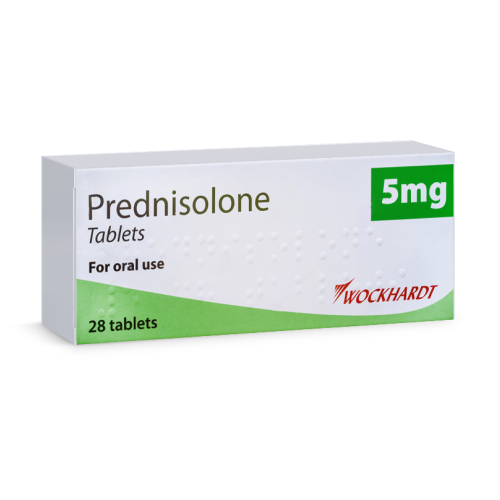
When Inflammation Doesn’t Wait: The Role of Prednisolone in the U.S.
The pain in your joints isn’t just an annoyance anymore. Maybe it’s your skin flaring up, your eyes swelling, or your lungs tightening with every breath. Inflammation can feel like your body’s alarm bells—urgent, unstoppable, and sometimes frightening. When your doctor reaches for Prednisolone, it’s rarely their first move. But sometimes, waiting for slower therapies just isn’t an option. In the United States, Prednisolone is the medication physicians trust when inflammation needs to be brought to heel—fast.
Unlike milder treatments or over-the-counter remedies, Prednisolone lands with the force of a clinical battering ram. It doesn’t gently nudge your immune system toward calm; it instructs it, unambiguously, to stand down. That power comes with responsibility, both for you and your medical team. Used right, Prednisolone can reverse a crisis. Used carelessly, it can create new ones.
Patients sometimes expect Prednisolone to be a long-term solution. More often, it’s the bridge—a way to get symptoms under control while other, slower medications have time to work. That’s why your doctor likely emphasized follow-up, monitoring, and a clear exit plan from day one.
Prednisolone vs. Other Inflammation Treatments: What Sets It Apart?
| Attribute | Prednisolone | Ibuprofen (NSAID) | Methotrexate (DMARD) |
|---|---|---|---|
| Prescription Status (U.S.) | Prescription only | OTC for low doses; prescription for higher | Prescription only |
| Onset of Action | Hours to 1-2 days | Within hours | Weeks to months |
| Mechanism | Suppresses immune response; blocks multiple inflammation pathways | Blocks COX enzymes to reduce prostaglandins | Alters DNA synthesis, suppresses immune cells |
| Effectiveness (Acute Symptoms) | High | Moderate | Low (not for acute relief) |
| Effectiveness (Chronic Control) | Short-term, not preferred long-term | Limited (not ideal for chronic) | High (for maintenance) |
| Common Serious Side Effects | Blood sugar elevation, infection risk, bone thinning | GI bleeding, kidney strain | Liver toxicity, bone marrow suppression |
| Monitoring Required | Yes: glucose, blood pressure, bone health | No routine labs unless high dose/long term | Yes: blood counts, liver function |
| Insurance Coverage (U.S.) | Usually covered; generics widely available | OTC not covered; prescription sometimes | Usually covered for indicated conditions |
Here’s what stands out: Prednisolone is the go-to when inflammation threatens immediate harm—when you cannot wait weeks for a drug like methotrexate to take hold. Unlike NSAIDs (like ibuprofen), Prednisolone works on multiple inflammation pathways, not just one. That makes it both more powerful and more likely to cause side effects that require close monitoring. In the United States, insurance plans almost always cover generic Prednisolone, so access isn’t usually blocked by cost. But no medication offers what Prednisolone does for urgent control—at the cost of needing a clear exit plan and ongoing medical oversight.
Prednisolone in Your Body: How It Works and What That Means for You
The science behind Prednisolone matters only if it changes what you should expect. This medication enters your bloodstream and tells your white blood cells—those drivers of inflammation—to stand down, right now. It’s not a shield; it’s a command to your immune system to pause. For most patients, that brings dramatic relief within hours or days.
- Immunosuppression:
- A state in which your immune system’s activity is deliberately decreased by medication, making you less able to fight infections and respond to injury.
Here’s where expectation meets reality. Most people feel better fast. Swelling shrinks, breathing eases, rashes fade. But that same immune pause comes with a catch: infections that would have been minor can become serious, and your body may handle stress or heal wounds more slowly.
- Prednisolone doesn’t “cure” the underlying disease—it controls symptoms while you and your medical team work on a longer-term strategy.
- If you stop suddenly, especially after weeks of use, your natural hormone levels may crash, making you feel weak or even dangerously ill.
- Some inflammation, like that from severe allergic reactions or autoimmune flares, responds almost miraculously; other types, especially chronic low-grade inflammation, may not.
For patients who’ve cycled through milder options, this “reset button” effect can be a relief. But it can also feel like a mirage if you expect Prednisolone to solve everything in one course.
Getting it Right: What Taking Prednisolone Actually Looks Like
The pills are small, the instructions are not. Prednisolone’s effectiveness—and its risks—depend on how closely you follow your regimen. There’s rarely a “one-size-fits-all” dose. Instead, your doctor matches the dose and duration to your specific situation: your diagnosis, your size, your age, and your other conditions all play a role.
For some, it’s a quick burst—high dose, short course, then off. Others need a taper: a gradual reduction to avoid withdrawal symptoms and give your adrenal glands time to recover. Stopping suddenly can be dangerous, causing fatigue, low blood pressure, or even shock. That’s why “tapering” is not a formality but a medical necessity.
- Take Prednisolone at the same time each day—usually in the morning to mimic your body’s natural rhythm and minimize insomnia.
- If you miss a dose, take it as soon as possible. If it’s close to your next dose, skip the missed one—never double up.
- Let every healthcare provider you see know you’re on Prednisolone, especially before surgery or if you become ill.
- Monitor blood pressure, blood sugar, and weight regularly if you are on Prednisolone for more than a short course.
The U.S. healthcare system expects close follow-up. Your doctor may order lab tests or adjust your plan as your condition and side effects evolve. Pharmacies will not dispense Prednisolone without a prescription, and many maintain records to monitor for drug interactions and overuse.
Which Side Effects Matter Most with Prednisolone — and When to Act
Relief is rarely the only thing that arrives. For many, the side effects of Prednisolone can feel as unpredictable as the inflammation it’s supposed to tame. Some are mild and temporary—mood changes, a puffy face, trouble sleeping. Others creep in over time or appear suddenly: high blood sugar, infection, bone loss.
- Steroid-induced diabetes:
- High blood sugar resulting from corticosteroid use, often reversible when the drug is stopped but sometimes requiring treatment.
Not every patient will experience every side effect, and your risk depends on your dose, duration, and personal medical history. The most important distinction is between side effects that mean “watch and wait” and those that demand immediate medical attention.
| Side Effect | How Common? | When to Call Your Doctor |
|---|---|---|
| Insomnia | Common (up to 50%) | If severe, persistent, or worsens mood |
| Increased appetite/weight gain | Common | If rapid or causing distress |
| Elevated blood sugar | Common, especially with diabetes risk | If you have diabetes or symptoms of high blood sugar (thirst, frequent urination) |
| Infections (cold, pneumonia, etc.) | Moderate to common, especially with high doses/long use | Any signs of infection: fever, cough, pain, wounds not healing |
| Bone loss (osteoporosis) | Common in long-term use | If you experience unexplained pain or fractures |
| Mood changes, anxiety, or depression | Up to 30% | If thoughts of self-harm or severe emotional changes occur |
| Eye problems (cataracts, glaucoma) | Uncommon but possible with prolonged use | Vision changes, eye pain, or seeing halos |
| Adrenal suppression (fatigue, weakness, shock if stopped suddenly) | Rare, more likely with long-term/high dose | Any new weakness, dizziness, fainting—seek immediate care |
The big clinical lesson: Don’t dismiss new or worsening symptoms as “probably just the medication.” The same drug that can save you from inflammation can also suppress the warning signs of infection or metabolic problems. In the United States, reporting any concerning symptoms to your healthcare team quickly is not just encouraged—it’s expected, and part of the safety net that makes Prednisolone use possible.
When Not to Take Prednisolone: Who Needs a Different Plan?
- Systemic fungal infections: Prednisolone can worsen these by suppressing your immune response that would otherwise control the infection.
- Known allergy to Prednisolone or any ingredient in the formulation: Reactions can be severe and unpredictable.
- Recent live vaccinations: Prednisolone can blunt your immune response, making live vaccines risky or ineffective.
- History of poorly controlled diabetes: Prednisolone can spike blood sugar, requiring closer monitoring or a different approach.
- Active infections of any kind: The drug may make it harder to clear infections or mask their symptoms.
- Severe osteoporosis or repeated bone fractures: Adding Prednisolone increases fracture risk further.
- Unstable psychiatric conditions: Mood effects can be dramatic, especially in those with a history of depression or psychosis.
- Pregnancy and breastfeeding: Prednisolone is not absolutely contraindicated, but risks and benefits must be weighed carefully with your doctor.
In clinical practice, these aren’t just boxes to check. U.S. physicians routinely screen for these issues before prescribing, and pharmacists may flag them at the dispensing stage. If you have any of these conditions—or are worried about them—bring them up even if your doctor doesn’t ask. There are always alternatives, even if they are less immediate or convenient.
Dosing Decisions: How Prednisolone’s Dose Changes by Person and Condition
“How much Prednisolone will I need?” is the question on most patients’ minds, but the answer is rarely simple. The right dose is a moving target, shaped by your diagnosis, your weight, your age, and how urgently your inflammation needs to be controlled.
| Condition | Recommended Starting Dose (Adults) | Taper Needed? | Notes |
|---|---|---|---|
| Acute asthma or COPD flare | 40–60 mg daily for 5–10 days | No (short course) | May be split into 1–2 doses/day |
| Acute severe allergic reaction | 40–60 mg daily for 3–10 days | Sometimes (if prolonged) | Usually after epinephrine; follow-up required |
| Rheumatoid arthritis flare | 5–60 mg daily, duration varies | Yes (taper to lowest effective dose) | Chronic cases: lowest dose, shortest duration |
| Autoimmune/inflammatory diseases (e.g., lupus, IBD) | 5–60 mg daily (individualized) | Yes | May require prolonged taper |
| Children (varies by weight) | 1–2 mg/kg/day (max 60 mg) | Usually | Always follow pediatrician’s protocol |
If you see your diagnosis here, don’t assume your dose will match exactly—these are starting points, not rules. U.S. physicians often adjust the plan after seeing how you respond or if side effects appear. For short “burst” therapy, a taper is usually not needed. But if you’ve been on Prednisolone for more than a couple of weeks, your doctor will likely step you down gradually. That’s not just to prevent withdrawal; it’s also to give your adrenal glands time to resume their normal function.
Getting Prednisolone in the United States: Prescriptions, Pharmacies, and What to Expect
Access to Prednisolone in the U.S. is both straightforward and tightly regulated. Unlike over-the-counter remedies, you’ll need a valid prescription from a licensed healthcare provider—physician, nurse practitioner, or (in some states) a physician assistant. The pharmacy checks not just the prescription, but also your medication history and possible interactions.
- Consultation with your doctor or specialist—telemedicine is increasingly accepted for follow-ups and medication renewals.
- Prescription sent electronically to your chosen pharmacy—retail, mail-order, and some specialty pharmacies all dispense Prednisolone.
- Pick-up typically within hours; home delivery is available from many major pharmacy chains for those unable to visit in person.
Insurance coverage is the norm. Most generic Prednisolone prescriptions cost under $20 for a typical course, sometimes less with insurance or pharmacy discount programs. Copays and out-of-pocket costs depend on your plan and whether you’re using Medicare, Medicaid, or private insurance.
- Pharmacists are trained to counsel on side effects and interactions—don’t hesitate to ask questions at the counter.
- Refills for Prednisolone are tightly controlled; long-term use almost always requires a new prescription and follow-up visit.
- Generic versions are as effective as brand-name; the FDA requires strict bioequivalence standards (FDA).
In rare cases—such as shortages or allergies to a pill ingredient—your doctor may specify a particular manufacturer. Otherwise, you’ll get what’s in stock, and the clinical effect is essentially the same.
Questions Patients Ask About Prednisolone (and the Answers Doctors Actually Give)
- What should I do if I miss a dose of Prednisolone?
- Take your missed dose as soon as you remember, unless it’s almost time for your next dose. In that case, skip the missed dose—never double up. Alert your doctor if missed doses become frequent; a different dosing strategy may help.
- Can I drink alcohol while taking Prednisolone?
- Moderate alcohol use is not absolutely forbidden, but it can worsen some side effects like stomach irritation or blood sugar spikes. If you have liver issues, diabetes, or are on other medications, talk to your doctor first.
- Does Prednisolone interact with my other medications?
- Yes. It can interact with many drugs, including blood thinners, diabetes medications, some vaccines, antifungals, and even certain herbal supplements. Always give your pharmacist and doctor a complete medication list before starting.
- How long will I need to take Prednisolone?
- Most courses are short—days to a few weeks—unless you have a chronic inflammatory disease where tapering is necessary. Your doctor will set the duration based on your condition and response; don’t change it on your own.
- Will I gain weight on Prednisolone?
- Increased appetite and fluid retention can lead to weight gain, especially with longer courses or higher doses. Eating a balanced diet and monitoring salt intake can help. Report rapid or distressing weight changes to your physician.
- Is it safe to take Prednisolone if I’m pregnant or breastfeeding?
- Prednisolone is sometimes used during pregnancy and breastfeeding when the benefits outweigh the risks, but it does cross the placenta and appears in breast milk. Discuss your specific situation with your OB/GYN or specialist.
- What signs mean I should seek urgent medical care while on Prednisolone?
- Seek immediate care for severe weakness, persistent vomiting, sudden vision loss, confusion, difficulty breathing, or signs of infection that worsen rapidly. These could signal serious complications needing prompt attention.
- Can I stop Prednisolone when I feel better?
- Never stop Prednisolone suddenly without your doctor’s OK, especially after more than a week of use. Stopping abruptly can cause withdrawal symptoms or adrenal crisis, which can be life-threatening.
“The most common mistake I see is patients thinking short-term side effects are a sign Prednisolone isn’t working. In reality, some discomfort is expected, but what we worry about are the quiet risks—like infection or high blood sugar—that don’t announce themselves loudly. Stay connected with your care team. The best outcomes happen when patients keep us in the loop, even about side effects that seem minor.”— U.S. Board-Certified Specialist in Inflammation Care
Sources / References
- U.S. Food and Drug Administration (FDA)
- Mayo Clinic: Prednisolone Information
- PubMed: Prednisolone Clinical Studies
- American College of Rheumatology: Glucocorticoid Use in Rheumatic Diseases, 2022
- Centers for Disease Control and Prevention (CDC): Steroid Safety
- Prednisolone Prescribing Information, Bristol Myers Squibb, 2023
- ClinicalTrials.gov: Prednisolone Trials
- National Institutes of Health: MedlinePlus Drug Information (Prednisolone)