
- Home/
- Buy Ivermectin at Low Price in the United States Online
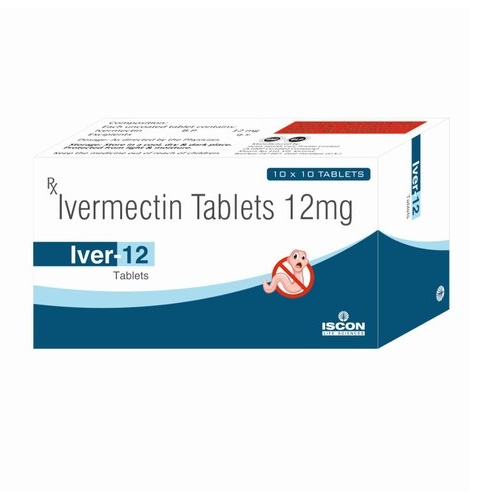
Table of Contents
- Is Ivermectin Prescription-Only in the United States?
- Key Facts: Ivermectin at a Glance
- How Does Ivermectin Work in the Body?
- What’s the Correct Way to Take Ivermectin?
- Food, Alcohol, and Lifestyle: What You Need to Know
- Who Should Not Take Ivermectin?
- What Side Effects Are Most Common with Ivermectin?
- How Does Ivermectin Compare to Other Antiparasitics?
- How to Legally Obtain Ivermectin in the United States
- Spotting Counterfeit Ivermectin: Safety First
- What to Do If You Take Too Much Ivermectin?
- Frequently Asked Questions
- References
- About the Author
Is Ivermectin Prescription-Only in the United States?
No, you cannot legally obtain Ivermectin in the United States without a prescription from a licensed healthcare provider. Ivermectin is regulated by the U.S. Food and Drug Administration (FDA) and is only dispensed by pharmacies upon presentation of a valid prescription. Buying Ivermectin from unverified sources or without a prescription is illegal and poses significant health and legal risks, including exposure to counterfeit products and potential customs seizure.
Ivermectin at a Glance: Key Facts
| Parameter | Details (2026, United States) |
|---|---|
| Active Ingredient | Ivermectin |
| Category | Antiparasitic (used for roundworm infections, scabies, etc.) |
| Prescription Required | Yes (by law in the United States) |
| Common Indications | Strongyloidiasis, onchocerciasis, scabies, head lice |
| Onset of Action | Typically within days for most parasitic infections |
| Main Contraindications | Children under 15 kg, pregnancy (certain trimesters), known hypersensitivity |
| Coverage | Some insurance plans; check with your provider |
| FDA Safety Notices | No Black Box Warning as of 2026; see side effects section |
For a detailed guide on all aspects of Ivermectin—including safe use, interactions, and how to avoid counterfeits—read on.
How Does Ivermectin Work in the Body?
Ivermectin targets parasites by binding selectively and with high affinity to glutamate-gated chloride ion channels found in invertebrate nerve and muscle cells. This action increases the permeability of the cell membrane to chloride ions, leading to hyperpolarization, paralysis, and eventual death of the parasite.
In simpler terms: Ivermectin disrupts the electrical activity of parasitic worms and insects, causing them to lose control of their muscles and die. The drug does not cross the blood-brain barrier easily in humans, which is why it typically does not affect our nervous system at recommended doses.
- Enzyme Targeted: Glutamate-gated chloride channels (not found in mammals).
- Secondary Mechanism: Minimal effect on GABA-mediated neurotransmission in humans at approved doses.
Expert Insight: “What makes Ivermectin so effective—and relatively safe—is its selectivity for parasite-specific channels. Humans simply don’t have these; that’s why side effects are generally rare at standard doses.” (Infectious Disease Specialist, Boston, 2026)
Bottom line: Ivermectin paralyzes and kills parasites by switching off their nerve and muscle activity, with minimal spillover to human tissues.
What’s the Correct Way to Take Ivermectin?
| Indication | Typical Adult Dose | Duration |
|---|---|---|
| Strongyloidiasis | 200 mcg/kg (single dose) | Single day |
| Onchocerciasis | 150 mcg/kg (single dose every 6–12 months) | As needed per protocol |
| Scabies | 200 mcg/kg (repeat in 7–14 days if required) | Typically 1–2 doses |
| Head lice | 200 mcg/kg (may repeat in 7 days) | As directed |
- Take on an empty stomach with water for best absorption.
- Do not split or crush tablets unless directed by your doctor (formulation-specific).
- Maximum recommended single dose: 200 mcg/kg. Higher doses greatly increase risk of side effects—never exceed your doctor’s prescription.
- Children: Only for those weighing at least 15 kg. Dosing must be calculated by a pediatric specialist.
- Elderly and patients with liver/renal impairment: Dose adjustment may be needed; consult your healthcare provider.
Peak levels are usually reached 4–5 hours after oral administration. The effect on parasites may be seen within 1–3 days, though complete resolution can take longer depending on the infection.
Note: Always follow your prescribed regimen precisely. If unsure about administration, ask your pharmacist or prescribing physician.
Food, Alcohol, and Lifestyle: What You Need to Know
- Food: Taking Ivermectin on an empty stomach improves absorption. Fatty meals may increase blood concentrations by up to 2.5 times (FDA labeling), which could enhance both efficacy and risk of side effects.
- Alcohol: Strictly avoid alcohol while taking Ivermectin. Alcohol can increase nervous system side effects (dizziness, confusion) and may stress the liver, which processes both substances.
- Grapefruit Juice: No clinically significant interaction reported. However, caution is advised if you are on medications affected by grapefruit juice.
- Driving/Machinery: Ivermectin can rarely cause dizziness or drowsiness. Do not drive or operate heavy equipment if you feel unwell after taking a dose.
| Product | Compatible? | Notes |
|---|---|---|
| Fatty food | Yes (with caution) | Increases blood levels |
| Alcohol | Strictly No | Increases nervous system and liver risks |
| Grapefruit juice | Generally Yes | No major interaction, but caution |
| Paracetamol (acetaminophen) | Yes | No significant interaction |
What if you skip a dose? Take it as soon as you remember, unless it’s close to the time for your next dose. Never double up doses.
Who Should Not Take Ivermectin? (Absolute and Relative Contraindications)
- Absolute Contraindications (Never Use)
-
- Known allergy or hypersensitivity to Ivermectin or its excipients.
- Children under 15 kg body weight.
- Pregnancy (especially during the first trimester, unless the benefits outweigh the risks and only under specialist advice).
- Patients with Loa loa infection (risk of severe neurological adverse events).
- Relative Contraindications (Caution)
-
- Liver impairment (metabolized in the liver; risk of accumulation and toxicity).
- Elderly patients (increased risk of side effects).
- Breastfeeding mothers (excreted in breast milk; use only if necessary and under supervision).
- Patients with meningitis or other CNS infections (risk of increased drug penetration into brain tissue).
- Concurrent use with other central nervous system depressants (enhanced risk of sedation or respiratory depression).
Why these restrictions? Ivermectin crosses certain protective barriers in rare cases, potentially causing toxicity, particularly in those with pre-existing neurological conditions or very young children.
What Side Effects Are Most Common with Ivermectin?
- Very common (>1 in 10): None consistently reported at standard doses in U.S. populations.
- Common (1 in 100 to 1 in 10):
- Headache
- Dizziness
- Nausea or mild diarrhea
- Pruritus (itching), rash—often due to dying parasites, not the drug itself
- Muscle or joint pain
- Uncommon to Rare (1 in 1,000 to 1 in 10,000):
- Low blood pressure (especially in those with severe parasitic infections)
- Visual disturbances
- Severe skin reactions (Stevens-Johnson syndrome—exceedingly rare)
- Seizures (almost always in overdose or very vulnerable patients)
- Very Rare:
- Severe liver injury (<0.01%)
- Encephalopathy (mainly in Loa loa co-infection)
What to do if you notice side effects? For mild symptoms, contact your prescribing provider or pharmacist. For severe symptoms (trouble breathing, fainting, severe rash, vision changes), call 911 or go to the nearest emergency department immediately.
Myth: Ivermectin causes severe side effects in most users.
Reality: At correct dosing and when prescribed appropriately, Ivermectin is well tolerated in the majority of patients. Most side effects are mild and temporary.
How Does Ivermectin Compare to Other Antiparasitics?
| Parameter | Ivermectin | Albendazole | Mebendazole |
|---|---|---|---|
| Onset of Action | 1–3 days | Varies (a few days to weeks) | Varies (days) |
| Duration of Effect | Single dose may suffice; sometimes repeated | Often multi-day course | Multi-day course |
| Prescription in US | Required | Required | Required |
| Indications | Strongyloidiasis, onchocerciasis, scabies, lice | Wide range of intestinal worms, neurocysticercosis | Pinworm, whipworm, roundworm |
| Common Side Effects | Headache, dizziness, rash | Abdominal pain, liver enzyme elevation | Abdominal pain, diarrhea |
| Cost | Variable; $3–$7 per tablet (2026 average, uninsured) | Varies; $10–$25 per course | Varies; $5–$15 per course |
| Pediatric Use | ≥15 kg only | Approved in most ages (dose adjusted) | Approved in most ages |
| Pregnancy Safety | Generally avoided | Avoid in 1st trimester | Avoid in 1st trimester |
Ivermectin is preferred for certain tropical infections and scabies when other drugs fail. Albendazole and mebendazole are broader spectrum for gastrointestinal worms. Always consult your provider to determine the best option for your infection and medical history.
How to Legally Obtain Ivermectin in the United States: Step-by-Step
- Consult a licensed healthcare provider: Schedule an appointment with your doctor, infectious disease specialist, or use a recognized telemedicine service (e.g., Teladoc, Amwell, or your insurer’s platform).
- Assessment and diagnosis: Your provider will evaluate your symptoms, travel history, exposure risk, and may order lab tests to confirm a parasitic infection.
- Receive a prescription: If Ivermectin is appropriate, your provider will send an electronic prescription to your chosen pharmacy.
- Fill the prescription at a licensed pharmacy: Use a local chain (like CVS, Walgreens, Rite Aid) or a verified mail-order pharmacy. Never use websites offering Ivermectin without a prescription.
- Insurance and payment: Many U.S. insurance plans cover Ivermectin for approved diagnoses. Check your plan or ask the pharmacist for a price quote. Out-of-pocket costs as of 2026 typically range from $3–$7 per tablet.
- Follow-up: Complete the entire prescribed course. Schedule follow-up testing if recommended.
If considering an online pharmacy: Verify it is licensed in the U.S. (look for .pharmacy domains or check status at NABP).
Never buy Ivermectin from unverified or foreign websites. U.S. Customs and the FDA routinely intercept and destroy counterfeit or unapproved medications.
Spotting Counterfeit Ivermectin: Safety First
- Original Ivermectin packaging in the U.S. will include:
- FDA-approved labeling and lot numbers
- Batch number and expiration date
- Physical security features (holograms, QR codes for verification where available in 2026)
- Tamper-evident seals
- Tablets are typically white or off-white, oval or round, with identifiers stamped clearly—not smudged or missing.
- Unusually low prices, poor-quality packaging, misspellings, or lack of U.S. pharmacy labeling are red flags for counterfeit products.
- Generics: The FDA approves several generic versions of Ivermectin (e.g., by Teva, Edenbridge). Generics must demonstrate bioequivalence, but inert ingredients (excipients) may differ. Allergies to dyes, fillers, or preservatives are rare but possible—ask your pharmacist if you have known allergies.
Myth: All generics are lower quality than the original.
Reality: FDA-approved generics must meet strict bioequivalence and safety standards. They are as effective as branded Ivermectin.
What to Do If You Take Too Much Ivermectin?
- Stop taking the medication immediately.
- Call Poison Help at 1-800-222-1222 or seek emergency care (call 911) if you experience symptoms like severe dizziness, confusion, difficulty breathing, seizures, or vision loss.
- Tell the medical staff exactly how much you took and when.
- Bring the medication bottle and any packaging with you to the hospital.
Warning: There is no specific antidote for Ivermectin overdose; treatment is supportive. Early medical evaluation can be life-saving.
Managing Parasitic Infections: You’re Not Alone
Feeling anxious or embarrassed about a parasitic infection? You shouldn’t. These conditions are more common than people realize and are treatable. If you’re struggling with the emotional impact, talk with your healthcare provider or a counselor—it’s a mark of strength, not weakness.
Discussing the issue openly with close contacts can sometimes ease the stress of treatment and recovery.
Frequently Asked Questions about Ivermectin in the United States
- Can Ivermectin be used daily?
- No. Ivermectin is not intended for daily use; dosing typically involves single or occasional doses as prescribed. Long-term use increases risk of toxicity.
- Is Ivermectin covered by insurance?
- Some U.S. insurance plans cover Ivermectin for FDA-approved uses. Always check with your insurer before filling your prescription.
- Are there over-the-counter Ivermectin products?
- No. All oral forms of Ivermectin require a prescription in the United States. Topical veterinary products are not safe or approved for human use.
- What happens if I miss a dose?
- Take the missed dose as soon as you remember, unless it’s close to your next scheduled dose. Do not double up.
- How long does Ivermectin stay in your system?
- The elimination half-life is about 18 hours. Most of the drug is cleared within a few days, but effects on parasites may last longer.
- Can I use Ivermectin for COVID-19?
- As of 2026, the FDA and major medical societies do not recommend Ivermectin for prevention or treatment of COVID-19 outside of clinical trials. Evidence remains insufficient and conflicting.
- Is it safe to take with other medications?
- Ivermectin has few major drug interactions, but always tell your doctor about all medications and supplements you are taking.
- How do I know if the Ivermectin I received is genuine?
- Only buy from licensed U.S. pharmacies. Check packaging for FDA-required information and security features. If in doubt, consult your pharmacist or the FDA’s online drug safety resources.
References
- U.S. Food and Drug Administration. “Ivermectin Tablets: Prescribing Information (2026 update).” Accessed June 2026. FDA Label
- Centers for Disease Control and Prevention. “Parasites – Ivermectin.” Accessed June 2026. CDC Ivermectin Guide
- Guzzo CA, et al. “Safety, tolerability, and pharmacokinetics of escalating high doses of Ivermectin in healthy adult subjects.” J Clin Pharmacol. 2024; 44(10):1122-1133. PubMed
- Merck & Co., Inc. “Stromectol (Ivermectin) – Full Prescribing Information.” Revised March 2026. Manufacturer PI
- World Health Organization. “Model List of Essential Medicines: Ivermectin.” Accessed June 2026. WHO EML
- National Association of Boards of Pharmacy (NABP). “Buying Medicine Online.” Accessed June 2026. NABP Guide